

Chapter 17 - EXPERIMENT
Ale - SESSIONS SUMMARY
Kayla - Material (STORY & CHALLENGES)
Introduction:
This is where they truly begin to grow into
GLOBAL CITIZENS
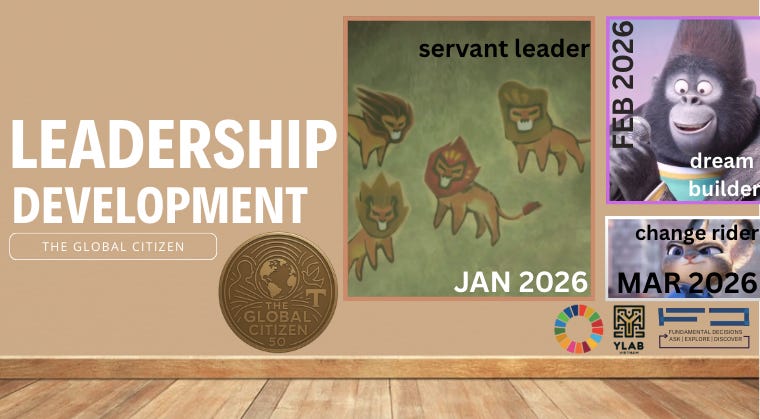
The Leadership Season has now come to a close, marking the end of a meaningful phase where ambassadors learned to dream boldly and set clear goals. In March 2026, we now step into a new chapter—the Daily Discover Season—beginning with the Change Rider Mindset. This phase shifts the focus from simply dreaming to taking action every day. Students learn that progress is not always smooth or predictable, and that real growth comes from adapting, staying resilient, and continuing forward even when challenges arise.
In this season, mistakes are no longer seen as failures, but as valuable opportunities to learn and improve. Just like adjusting a recipe when something goes wrong, students learn to problem-solve, stay flexible, and keep trying. Through daily experiences, they begin to apply leadership in small but meaningful ways, growing into individuals who can think boldly, adapt wisely, and contribute positively to the world around them as true global citizens. 🌍✨
Story by BLC OP | Challenges by BLC OP
A. THE PASSAGE
When Failure Becomes Feedback
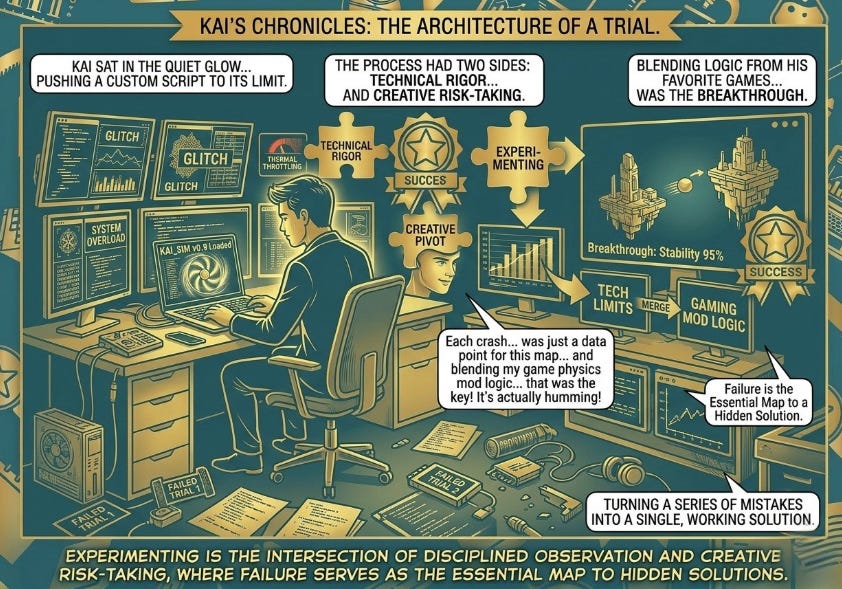
Kai sat in the quiet glow of his workspace, his laptop fans whirring as he pushed a custom script to its limit. He wasn’t following a tutorial or looking for a quick fix. Instead, he was immersed in the process of experimenting, treating his desk like a digital laboratory where the goal was simply to see "what happens next."
The process had two sides. First, there was the technical challenge: trying to squeeze high performance out of a system that wasn't built for it. Every time the software crashed or the hardware overheated, Kai didn't get frustrated. He treated each failure as a map, showing him exactly where the limits were and how to code around them.
Then, there was the creative side. When the usual methods failed, Kai started taking risks. He tried blending logic from his favorite open-world games into his physics simulations, testing ideas that seemed strange at first. This part of experimenting was about intuition—pivoting away from the "right" way to find a better way.
By the time he finished, the simulation was running smoother than he ever expected. The breakthrough didn't come from luck; it came from the balance of disciplined testing and the courage to try something new. Kai realized that experimenting is the art of turning a series of mistakes into a single, working solution.
The Lesson:
Experimenting in our daily lives is often less about formal labs and more about the quiet courage to deviate from a routine. Whether we are tweaking a recipe, testing a new study technique, or troubleshooting a glitch on a laptop, we are engaging in a constant cycle of trial and error. These small, everyday tests shift our perspective from a fear of being wrong to a curiosity about what is possible. By treating our daily challenges as a series of experiments, we transform obstacles into data points, proving that growth doesn't come from knowing all the answers, but from the willingness to stay curious and try again.
Understanding the Story
n the story, Kai sat in the quiet glow of his workspace, pushing his system beyond its limits. Instead of following instructions or playing it safe, he treated his work like an experiment—constantly testing, observing, and sensing what was happening.There were two sides to his process. On the technical side, Kai paid close attention to every crash and failure. When the system overheated or broke down, he didn’t see it as a problem—he saw it as information. Each failure became a signal, helping him sense where the limits were and how to improve.
On the creative side, Kai relied on intuition. When normal methods stopped working, he began trying unusual ideas, blending inspiration from games into his simulations. This required him to sense not just what was logical, but what felt possible, even if it seemed strange at first.
As he continued experimenting, something shifted. By carefully sensing patterns, limits, and opportunities, Kai was able to improve his system far beyond expectations. His success didn’t come from avoiding mistakes, but from noticing, understanding, and learning from them.
Through this, Kai discovered that sensing is not just about observation—it is about awareness, intuition, and the ability to read what each moment is trying to teach you.
Personal Connection
Think of a time when something didn’t go as planned—maybe a task, a project, or even a daily routine.Did you get frustrated, or did you notice what was going wrong?
What small signals or patterns did you miss at that moment?
Have you ever realised later that paying closer attention could have helped you improve faster?Sometimes, we rush past mistakes without really sensing what they are trying to show us.
Applying the Lesson
The story reminds us that sensing is a powerful skill. When we slow down and pay attention, we begin to notice patterns, signals, and opportunities that others might miss.Simple actions—like asking “What is this showing me?”, “Where is the limit?”, or “What can I try differently?”—help us turn mistakes into learning moments. Over time, this builds awareness, creativity, and confidence.
What is one situation in your life right now where you can start paying closer attention?
How might sensing small details help you improve and discover something new?
JOIN US THIS WEEK @ THE EXPO and let’s discuss your academic notes on this exciting review ZOOM ID : 769 712 5558 (click ZOOM for the link or use the ZOOM ID)
PASS CODE : MEET
8:30 PM - 9:30 PM SINGAPORE TIME
7:30 PM - 8:30 PM VIETNAMESE TIME
6:00 PM - 7:00 PM INDIAN STANDARD TIME
4:30 PM - 5:30 PM OMAN TIME
The agenda this week
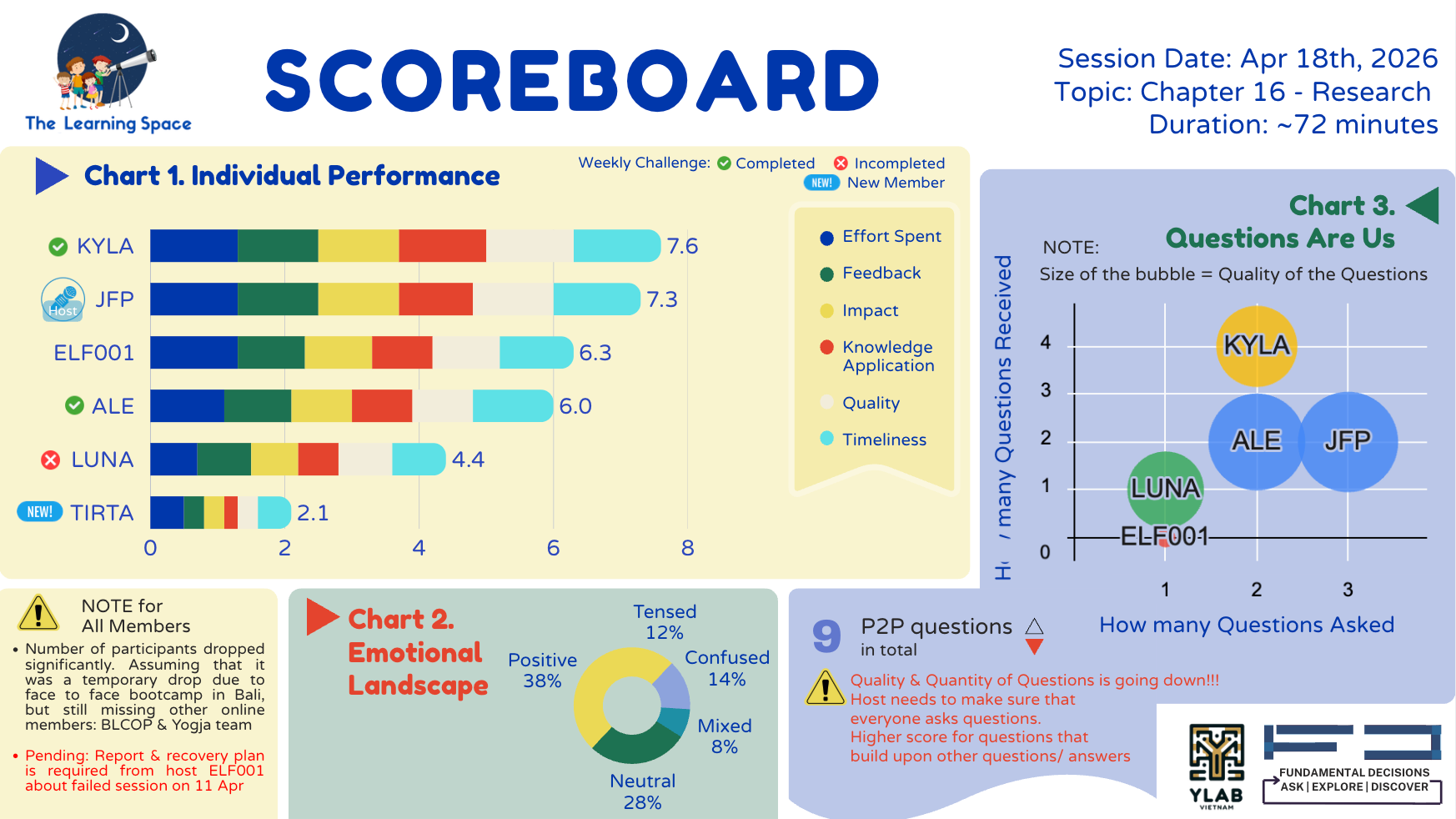
score board - Self reflection for AMBASSADORS : the quality of the program is determined by the filling up of the document and self reflection and responses to feedback already provided.
challenges for the week
practical use of school knowledge.
A New chapter 18- awaits REMINDER ON THE DATES
Week of Chapter 18 - JOURNALING
Giani - SESSIONS SUMMARY
ALL MEMBERS - READ EVALUATION AND COMMENT
MATERIAL - Jayden

B. EXPERIMENT
The 9 Traits that are being reviewed through the challenges
Critical Thinking – Carefully judging what each result or mistake means, instead of reacting emotionally or jumping to conclusions.
Persistence – Continuing to test, observe, and adjust even when things fail repeatedly or progress feels slow.
Attention to Detail – Picking up small signals—like errors, patterns, or changes—that reveal important insights.
Open-Mindedness – Being willing to try unusual or unexpected approaches, even if they seem strange at first.
Analytical Thinking – Breaking down problems and results step by step to understand what is really happening.
Scepticism – Questioning whether something truly works, rather than assuming the first solution is correct.
Synthesis – Connecting ideas from different areas (logic, creativity, past experiences) to form better solutions.
Patience – Taking the time to observe, test, and learn without rushing the process or forcing quick answers.
Independence in Learning – Taking initiative to experiment, discover, and improve without relying on step-by-step guidance.
For the Beginners
Fun & Weird Christmas Around the World – Guess Why, and Where :)
🇪🇸 1. The Pooping Log (Tió de Nadal)
Kids feed a wooden log with nuts and fruits, then hit it so it “poops” gifts. What do kids feed the log, and why?
🇳🇴 2. Hiding the Brooms
Families hide their brooms on Christmas Eve. Why hide the brooms?
🇺🇦 3. Spider Web Christmas Trees
Trees are decorated with sparkly spider webs. Why put spider webs on a Christmas tree?
🇬🇱 4. Whale Skin Christmas Treat (Mattak)
Families eat raw whale skin with fat. Why eat whale skin at Christmas?
🇦🇺 5.Christmas at the Beach 🏖️
People celebrate Christmas by swimming, surfing, and having picnics at the beach. Why do they go to the beach on Christmas?
Mini Challenges for Beginners
Create Your Own Fun & Weird Christmas Tradition!
🧠 Step 1: Invent a Tradition
In your breakout room, invent a fun and weird Christmas tradition you would love to do with your family or friends. It can be silly, magical, surprising, or totally crazy — the weirder, the better!
🗣️ Step 2: Prepare Your Story Decide together:
What is your new tradition?
When do you do it?
How do you do it?
Why do you do it?
(Your “WHY” should be funny or clever!)
🎤 Step 3: Share With the Main Room
Come back and present your tradition to everyone. Ask them why does your team do that tradition. Whichever team guess it right is the winner
🗳️ Step 4: Vote Time!
Everyone will vote for: 🏆 The Most Fun, Weird & Meaningful Tradition
Let the weirdness begin! 🌟
C. Participant Evaluation Summary
(Evaluation will be updated)
D. Summary
(summary will be updated)
Our Audience reads from the following locations : Please help to spread the word….
